Insect Net Buying Guide for Agriculture & Greenhouses
Modern agriculture demands precision, protection, and efficiency. As pest pressure increases across India — thrips, whiteflies, leafminers, aphids, mites — farmers are losing yield even before the crop reaches harvest. Chemical sprays alone are no longer enough, and excessive pesticide use harms both farmer health and the marketability of produce.
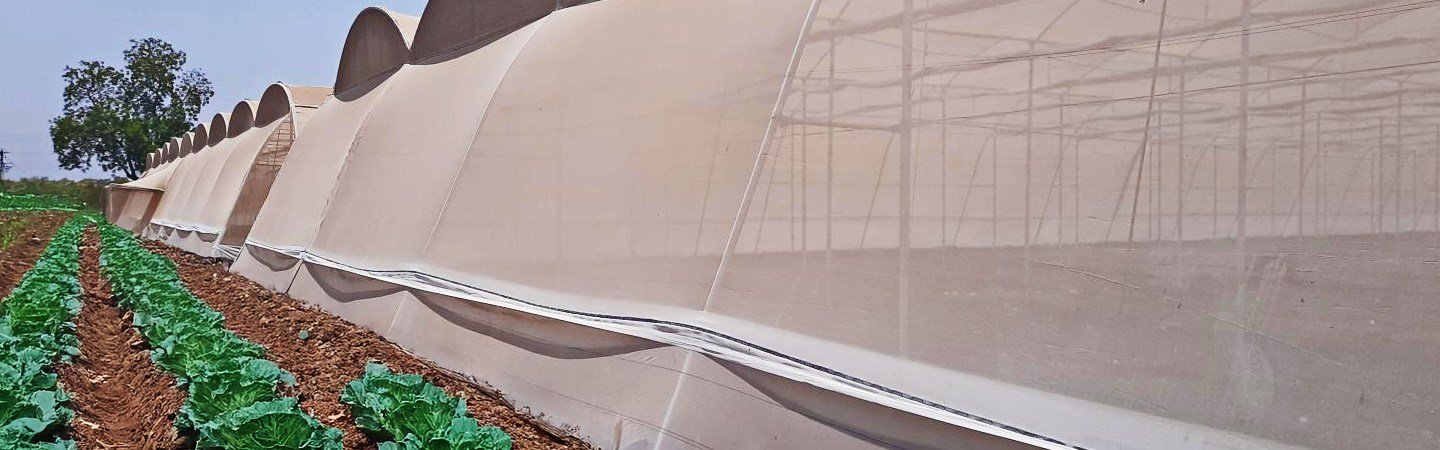
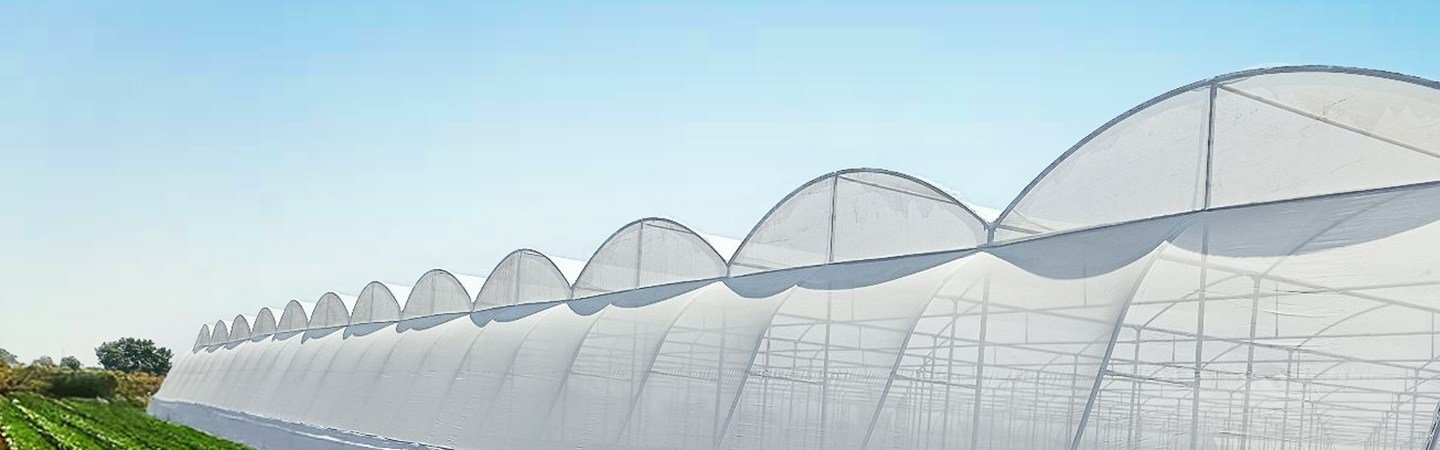
This is where insect nets have become one of the most powerful tools in protected cultivation, open-field vegetable farming, nurseries, and high-value crops. They act as a physical barrier that prevents pests from entering the crop environment, reduces pesticide use, lowers disease incidence, and delivers cleaner, safer produce.
In this guide, we break down everything farmers need to know about agricultural insect nets, including:
- How insect nets work
- Mesh sizes (40 & 50 mesh) and GSM
- Differences between Agriplast Insect Net & Ginegar Optinet
- Lifespan, limitations, and installation tips
- How to select the best net for your greenhouse or field
This guide uses Agriplast Insect Nets and Agriplast Ginegar Optinet as the technical reference standard — global technology adapted for Indian conditions.
In protected cultivation, every element of the environment — light, humidity, temperature, irrigation, and nutrient delivery — is carefully controlled to maximise plant growth and yield. But even the most advanced greenhouse or net house can fail if insects are allowed to enter. Thrips, whiteflies, leafminers, and aphids can multiply rapidly, spreading viruses and causing severe crop losses within days. This is why physical barriers such as high-quality insect nets, along with double-door entry systems, strict hygiene practices, foot dips, and controlled ventilation, are critical for maintaining a pest-free environment. Particularly in regions with high pest pressure, choosing the right insect net becomes one of the most important decisions for safeguarding crop health and ensuring consistent productivity.
What Are Agricultural Insect Nets & How Do They Work?
An agricultural insect net is a high-density polyethylene (HDPE) mesh fabric designed to physically block insects from entering crop areas. These insects attack plants by:
- Cutting leaves and stems
- Sucking sap
- Boring into fruits and flowers
Once pests enter the crop canopy, yield loss can be rapid and severe. An insect net prevents this by:
- ✔ Blocking insect entry (physical barrier)
- ✔ Creating a controlled microclimate
- ✔ Reducing disease spread (viruses transmitted by whitefly & thrips)
- ✔ Decreasing pesticide sprays by up to 40–60%
- ✔ Keeping produce cleaner, safer, and residue-free
In protected cultivation, insect nets are the first line of defense. When combined with good aeration, fertigation, and humidity control, they significantly improve crop uniformity and marketability.
Key Specifications That Matter When Buying Insect Nets
When choosing insect nets, the most important technical factors are:
1. Mesh Size (40 or 50 mesh)
Mesh = number of holes per inch.
- 40 mesh → Suitable for larger pests (aphids, leafminers, moths)
- 50 mesh → Suitable for smaller pests like thrips and whiteflies
2. GSM (Fabric Weight)
Higher GSM typically means:
- Stronger material
- Higher wind resistance
- Longer lifespan
Agriplast nets range between 105–135 GSM depending on type.
3. UV Stabilization
A must-have in India. Both Agriplast and Optinet come with 5-year UV warranty, ensuring durability under intense sunlight.
4. Transparency / Colour
- Transparent = maximum light transmission
- Milky white = slightly diffused light, ideal for nurseries
5. Width & Length Availability
Agriplast provides width up to 5.2 meters, suitable for:
- Greenhouse sides
- Net houses
- Large nursery enclosures
- Open-field structures
6. Material Type
All Agriplast nets are made from virgin HDPE, ensuring:
- Longevity
- Tear resistance
- Non-toxicity
Cheap unbranded nets often use recycled plastic which degrades quickly.
Types of Insect Nets by Material & Features
Below is a detailed table for both Agriplast Regular Insect Nets and Ginegar Optinet, based on your brochure data.
Agriplast Regular Insect Net – Technical Specifications
| Mesh Size | GSM | Colour | Width Options | Length | UV Warranty | Recommended Use |
|---|---|---|---|---|---|---|
| 40 Mesh | 120 GSM (5-year warranty) 105 GSM (3-year, BIS approved) |
Transparent / Milky White | 2.5m, 3.2m, 3.6m, 4.2m, 4.5m, 5.2m | 50m / 100m | 3–5 years | Open fields, nurseries, greenhouse sides |
| 50 Mesh | 135 GSM | Transparent | 4.2m | 100m | 5 years | Areas with thrips/whitefly pressure |
Ginegar Optinet – Advanced Anti-Insect Net
| Mesh Size | GSM | Colour | Width Options | Length | UV Warranty | Key Features |
|---|---|---|---|---|---|---|
| 50 Mesh | 130 GSM | Transparent | 4.2m (custom sizes available) | 100m | 5 years | Optical additives, reduces heat, lower leaf diseases, up to 5× less pest penetration |
Optinet vs Regular Insect Nets — What’s the Difference?
Regular insect nets provide physical protection by blocking insects. Optinet provides physical + optical protection, making it a superior choice in high pest pressure zones.
Optinet Advantages
- ✔ Contains optical additives that repel and disorient insects
- ✔ Reduces pest penetration by up to 5×
- ✔ Helps keep structures cooler
- ✔ Reduces leaf disease occurrence
- ✔ Dust-free netting
- ✔ Ideal for thrips, whitefly & leafminer-prone crops
- ✔ Global Ginegar technology adapted for Indian climate
Regular Insect Nets Advantages
- ✔ Strong HDPE fabric
- ✔ UV-stabilized
- ✔ Good for general insect control
- ✔ Affordable and widely used
- ✔ Perfect for nurseries & greenhouse side ventilation
Conclusion: Regular nets are excellent for everyday pest protection. Optinet is a superior, next-generation solution for high-pressure pest zones.
Advantages of Using Insect Nets in Agriculture
1. Reduce Pesticide Use by 40–60%
Farmers spend a large part of input cost on pesticides. Insect nets drastically reduce pest entry, lowering spray frequency.
2. Improved Food Safety & Market Access
Low-residue vegetables fetch better prices in:
- Urban markets
- Supermarkets
- Export supply chains
Using insect nets helps maintain pesticide residue limits.
3. Prevent Virus Transmission
Thrips and whiteflies transmit deadly viruses:
- TOSPO virus
- Yellow mosaic virus
- Leaf curl virus
Blocking them at the entry point protects the crop.
4. Higher Yield & Better Quality Produce
Less pest damage → stronger growth → higher harvest weight → premium-grade produce.
5. Lower Disease Pressure
Many fungal diseases spread through wounds caused by insects. Nets reduce infection points.
6. Reduced Heat Stress (Optinet)
Optinet can help lower temperature inside structures, improving plant vigor.
7. Non-toxic, Safe, and Durable
Agriplast nets are made from virgin HDPE — safe for crops, workers, and the environment.
Limitations and Things to Watch Out For
Even the best insect nets need proper management.
1. Poor Installation Leads to Pest Entry
Gaps, loose stitching, or torn areas can defeat the purpose.
2. Dust Accumulation Reduces Airflow
Regular cleaning is necessary in dusty climates.
3. Higher Mesh Can Reduce Air Exchange
50 mesh blocks more insects but can slightly reduce airflow, so ventilation design matters.
4. Cheap Unbranded Nets Tear Quickly
They degrade under sunlight and lose mesh integrity.
Lifespan of Insect Nets
Agriplast & Ginegar nets come with:
⭐ 5-year UV warranty
Actual lifespan is commonly 5–7 years depending on:
- Climate
- Dust conditions
- Maintenance
- Installation quality
Optinet may last even longer due to superior stabilization.
How to Choose the Right Insect Net in 2025
1. Identify the target pests
- General pests → 40 mesh
- Thrips, whitefly → 50 mesh / Optinet
2. Choose HDPE (non-recycled) nets
Virgin HDPE = long life, high strength.
3. Look for UV warranty (minimum 5 years)
India’s climate demands UV protection.
4. Check GSM
Higher GSM = stronger net.
5. Select correct width
Wider nets reduce stitched joints and improve durability.
6. Choose a trusted brand
Agriplast + Ginegar = proven greenhouse and net-house technology.
Top Insect Net Manufacturer in India (2025–26)
Agriplast & Ginegar Insect Nets
Why choose them?
- Global technology adapted for Indian conditions
- Virgin HDPE material
- BIS-approved options
- Superior mesh uniformity
- 5-year UV warranty
- Strong, durable, and long-lasting
- Optinet — advanced insect net technology for high pest pressure
Agriplast’s manufacturing quality ensures consistent protection throughout the net’s life.
Installation & Maintenance Best Practices
Installation Tips
- Keep nets tightly secured
- Avoid folds or gaps
- Use proper fixing profiles
- Ensure flap overlaps for doors
- Stitch or fasten edges properly where needed
Maintenance Tips
- Wash nets periodically to remove dust
- Inspect for tears and patch immediately
- Keep edges off the soil where possible
- Maintain airflow and humidity balance
Conclusion
Insect nets are no longer optional — they are essential for profitable, sustainable agriculture. With rising pest pressure and increasing restrictions on pesticide residues, farmers need a reliable physical barrier that prevents pest entry while protecting crop quality.
Agriplast Regular Insect Nets
- ✔ Durable HDPE
- ✔ UV-stabilized
- ✔ Affordable
- ✔ Excellent for general pest control
Ginegar Optinet
- ✔ Superior optical + physical barrier
- ✔ Special protection against thrips & whitefly
- ✔ Helps reduce heat & leaf diseases
- ✔ Best choice for high-value crops
Whether you operate a greenhouse, nursery, net house, or open-field vegetable farm, choosing the right insect net will directly impact yield, pesticide cost, and profitability.
👉 Contact Agriplast to choose the right insect net for your farm or greenhouse today.
Blog written and Posted by
Agriplast Editorial Team
This article is published by the Agriplast Tech India Editorial Team, sharing insights on hi-tech farming, protected cultivation, and agricultural innovations.You can write your view/comments here
Recent Posts
Need Expert Assistance?
Get personalized recommendations for your greenhouse, polyhouse, or irrigation needs.
-
Bengaluru (Corporate Office)
- 918141446666
- support@agriplast.co.in
WeWork Roshni Tech Hub - 1st floor, PFS Club House, Marathahalli Main Rd, R.J.Gardens, Lakshminarayana Pura, EPIP Zone, Chinnapanna Halli, Bengaluru, Karnataka 560037