UV Plastic Sheet for Greenhouse: Protection Guide 2026
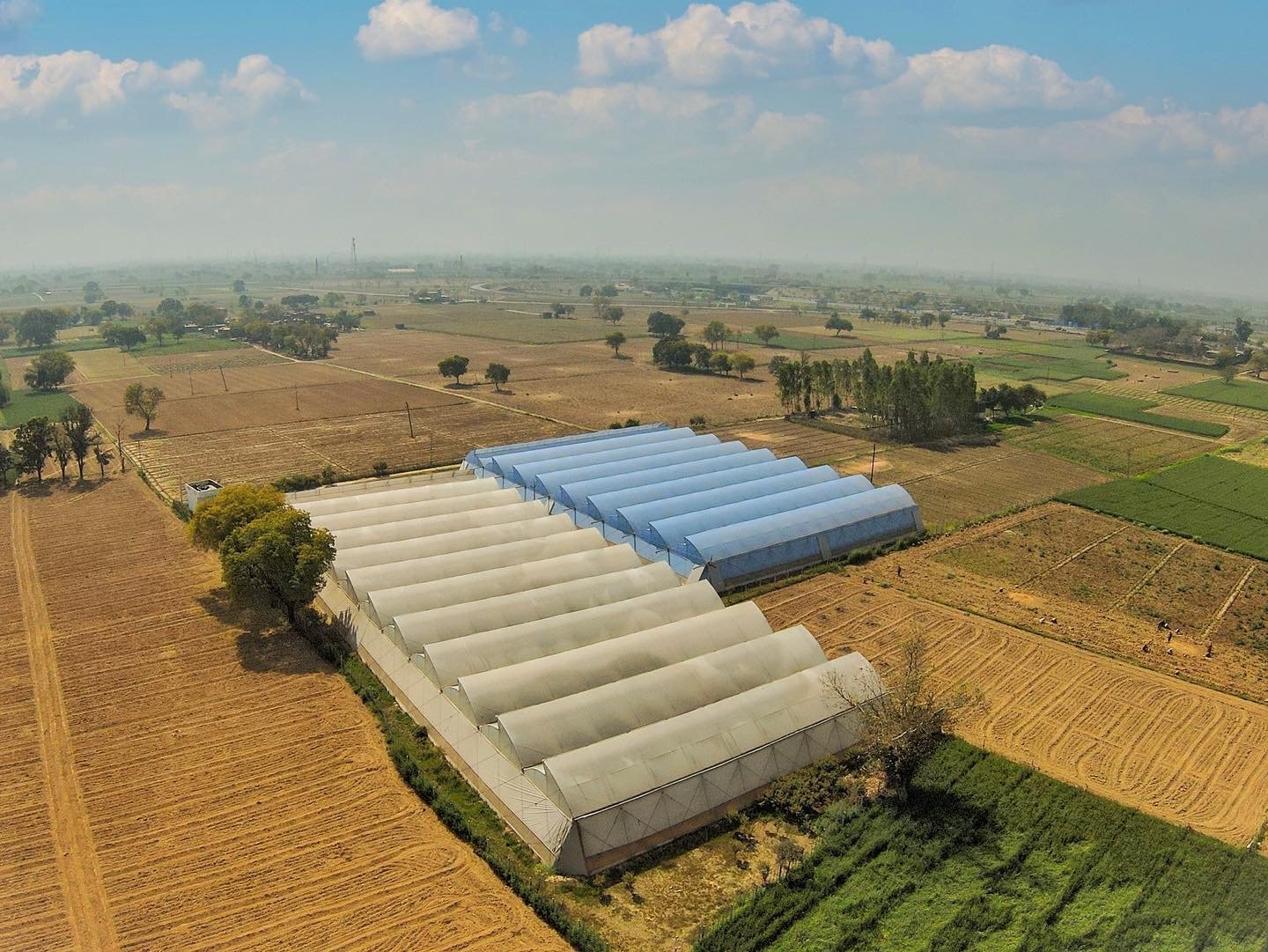
In the world of agriculture and horticulture, safeguarding your plants from the harmful effects of harsh sun rays is of paramount importance. Excessive ultraviolet (UV) radiation can damage your plants, compromise crop yield, and affect the overall health and vitality of your greenhouse operation. To efficiently address this issue, it is crucial to invest in advanced materials designed specifically for such purposes: UV-resistant greenhouse plastic sheeting.
In this article, we will delve into the science and benefits of UV-resistant greenhouse plastic sheeting, exploring how it acts as a barrier against the destructive effects of sunlight on your plants. Moreover, we will discuss the exceptional range of UV-resistant greenhouse plastics offered by Agriplast Tech India Private Limited – a renowned hi-tech agriculture company devoted to providing a wide range of solutions for protecting your yield. By understanding the importance of UV protection and investing in high-quality greenhouse plastic, you can ensure a thriving and productive greenhouse operation.
How UV-Resistant Greenhouse Plastic Sheeting Protects Your Plants
Before we dive into the benefits of UV-resistant greenhouse plastic sheeting, it's essential to understand the effects of ultraviolet radiation on the growth and health of plants. UV radiation, a part of the sunlight spectrum, can be divided into three main categories:
1. UVA (320-400 nm): The least harmful type, accounting for nearly 95% of the UV radiation reaching the Earth's surface.
2. UVB (280-320 nm): More energetic and harmful, can have adverse effects on plant growth and development.
3. UVC (100-280 nm): The most dangerous type, completely absorbed by the Earth's atmosphere and rarely encountered in nature.
While some level of UV radiation is beneficial for plant growth, excessive exposure can lead to a range of harmful consequences, such as:
1. Impaired Photosynthesis: High levels of UV radiation can damage the photosynthetic machinery within plants, reducing their ability to produce energy and carbohydrates needed for growth.
2. Disrupted Chlorophyll Production: Excessive UV exposure can lead to the degradation of chlorophyll, affecting the plant's ability to absorb and utilise light for photosynthesis.
3. Reduced Crop Yield: As a result of the factors mentioned above, prolonged UV exposure can lead to stunted plant growth, reduced flowering, and decreased crop yield.
4. Increased Susceptibility to Disease: Prolonged exposure to UV radiation can weaken a plant's immune system, increasing its susceptibility to diseases and pests.
The Science behind UV-Resistant Greenhouse Plastic Sheeting
UV-resistant greenhouse plastic sheeting is a unique and innovative material designed to filter harmful UV rays while still allowing sufficient sunlight to pass through for optimal plant growth. These specially-engineered plastics are typically made from polyethylene (PE) and incorporate UV stabilisers or absorbers that help protect the plastic from degradation while simultaneously reducing the transmission of harmful UV radiation.
Key Features of UV-Resistant Greenhouse Plastic Sheeting
When selecting a suitable UV-resistant greenhouse plastic sheeting, it's important to look for the following key features to ensure optimal plant protection and longevity:
1. High Light Transmission: To maximise photosynthesis, the sheeting should offer high light transmission rates to provide plants with ample sunlight without causing damage.
2. UV Absorption and Stabilisation: The greenhouse plastic must contain additives that absorb harmful UV rays and prevent the degradation of the plastic, prolonging its lifespan.
3. Durability and Resistance to Environmental Factors: The sheeting should be strong enough to withstand harsh weather conditions, including strong winds, hail, and temperature fluctuations.
4. Anti-Drip and Anti-Condensation Properties: Quality greenhouse plastic should have features such as anti-drip and anti-condensation, which reduce the chance of water droplets forming on the plastic surface and prevent mould and mildew formation.
Why Agriplast Tech India Private Limited’s UV-Resistant Greenhouse Plastic Sheeting is a Superior Choice
Agriplast Tech India Private Limited, a leading hi-tech agriculture company, is highly committed to providing an extensive range of solutions to protect your valuable crops, including top-quality UV-resistant greenhouse plastic sheeting. Here are a few reasons why choosing Agriplast Tech India Private Limited’s products can make a significant difference in your greenhouse operation:
1. Ginegar Greenhouse Film: Agriplast Tech India Private Limited offers an exceptional range of Ginegar greenhouse film products, known for their high-quality materials, UV resistance, and light transmission properties. Built with the latest UV stabilisation technology, this greenhouse film ensures the optimal environment for plant growth.
2. Customised Solutions: Agriplast Tech India Private Limited understands that the needs of each greenhouse operation are unique, which is why we offer a wide range of UV-resistant greenhouse plastic sheeting options with varying levels of UV absorption and light transmission to suit your specific requirements.
3. Durability and Longevity: Agriplast Tech India Private Limited's UV-resistant greenhouse plastics are designed to withstand harsh environmental conditions, providing extended life and peace of mind for greenhouse owners.
Maximising the Efficiency of Your UV-Resistant Greenhouse Plastic Sheeting
To truly reap the benefits of UV-resistant greenhouse plastic sheeting, it's essential to ensure the efficient implementation and management of these materials in your greenhouse:
1. Proper Installation: Ensuring that the greenhouse plastic sheeting is correctly installed, without gaps or punctures, will help maintain an optimal environment for plant growth and prevent damage from UV radiation.
2. Regular Cleaning and Maintenance: Keeping the greenhouse plastic clean and free from dirt, grime, and algae build-up can significantly improve light transmission and help prevent the plastic from degrading.
3. Monitoring and Adjusting: Continuously monitoring the greenhouse temperature, humidity, and light conditions will allow for any necessary adjustments to optimise plant growth, ensuring maximum efficiency of your UV-resistant greenhouse plastic sheeting.
Embrace the Protective Power of UV-Resistant Greenhouse Plastic Sheeting
Investing in UV-resistant greenhouse plastic sheeting is an essential step towards maintaining a thriving, productive, and healthy greenhouse operation. By shielding your valuable plants from the harmful effects of excessive UV radiation, you not only enhance their growth and vitality but also protect your yield and ensure overall agricultural success. Agriplast Tech India Private Limited's exceptional range of UV-resistant greenhouse plastics, backed by years of expertise in hi-tech agriculture solutions, provides an unparalleled choice for discerning growers seeking optimal plant protection.
Don't let the damaging effects of excessive sun exposure hinder the potential of your greenhouse. Trust Agriplast Tech India Private Limited to provide the cutting-edge UV-resistant greenhouse plastic sheeting you need to achieve outstanding results in your horticultural endeavours. Visit our website today to explore our wide range of greenhouse equipment and elevate your greenhouse operations to new heights.
Blog written and Posted by
Agriplast Editorial Team
This article is published by the Agriplast Tech India Editorial Team, sharing insights on hi-tech farming, protected cultivation, and agricultural innovations.You can write your view/comments here
Need Expert Assistance?
Get personalized recommendations for your greenhouse, polyhouse, or irrigation needs.
-
Bengaluru (Corporate Office)
- 918141446666
- support@agriplast.co.in
WeWork Roshni Tech Hub - 1st floor, PFS Club House, Marathahalli Main Rd, R.J.Gardens, Lakshminarayana Pura, EPIP Zone, Chinnapanna Halli, Bengaluru, Karnataka 560037